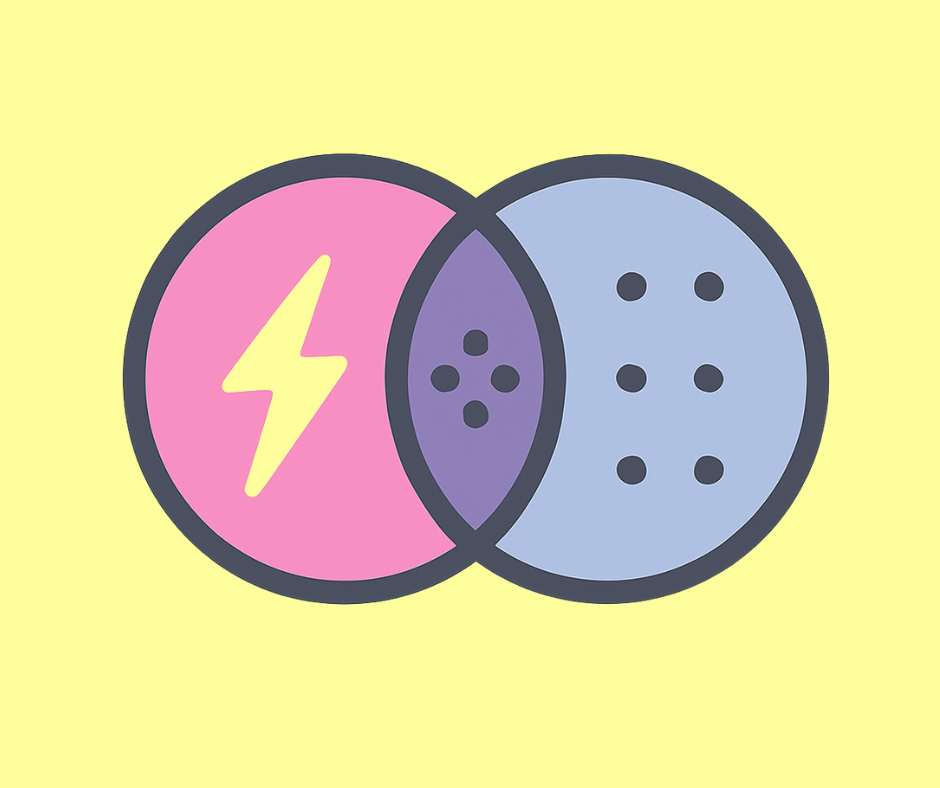
AuDHD isn't *just* Autism & ADHD together...
Introduction
Ever felt like ADHD explains some parts of you, autism touches others—and yet even together, they don’t quite fit? That’s because AuDHD isn’t just a combo diagnosis—it’s a unique experience of its own.
In this video, I explore what living with both ADHD and autism truly feels like. Below, I’ve expanded on those reflections, with extra insights and real-life examples. Whether you’re finding your diagnosis now or recognizing these traits in yourself, you’re seen—and this space was made for you.
1. AuDHD Is More Than “ADHD + Autism”
Labeling AuDHD as simply “autism plus ADHD” can feel flattening. It overlooks the blended reality of how these neurotypes interact. Your mind might switch between hyper-focused and sensory-overloaded rapidly, or need structure but struggle to maintain it. That’s not just autistic traits or ADHD traits—it’s the crossover zone that feels like its own landscape.
2. Double Masking Is Real—and Exhausting
Masking is tricky enough when you’re navigating one neurotype—but when you’re balancing both, it feels like you’re putting on two masks. You might compensate socially while hacking routines to hide your restlessness, only to crash later. That hidden burnout? It’s a classic AuDHD experience—and it’s not your fault.
3. Masked Strengths: Creativity & Unique Problem-Solving
What makes AuDHD hard also makes it powerful. Your brain might see solutions others miss, or switch rapidly between tasks and ideas with surprising insights. That “reinventing the wheel” hyperfocus or creative spark? That’s the upside of two brains teaming up in ways the world doesn’t always understand.
4. Sensory Overwhelm + Hyperactivity: When Calm Is Elusive
Ever feel like you’re either overstimulated or scrambling from downtime to activity? That’s the sensory-autonomic dance of AuDHD—your body seeking both space and movement at once. It can be confusing, but knowing it’s AuDHD gives a name to a pattern that otherwise seems chaotic.
5. Social Needs vs. Burnout: Living On Two Tracks
You might crave deep connection, then retreat because it’s too much. Or speak confidently in one moment and freeze in the next. AuDHD brains often need social interaction—but pay the price with emotional and sensory overload. That push-pull isn’t you changing—you’re navigating two needs at once.
Conclusion
Being AuDHD is living with multiple internal rhythms: intensity and withdraw; structure and spontaneity; insight and confusion. But once you learn to witness the patterns—not blame yourself for them—you can discover your strengths, set compassionate boundaries, and move forward kinder to your brain.
If any of this hits home, you’re not alone—and this community is for you.
Want More Support?
Grab your free AuDHD Roadmap to help you navigate diagnosis, self-understanding, and support tools. Ready for deeper guidance? My full Autism and ADHD Diagnostic Guide is available in my Stan store.
Let me know what resonates with you—reply to this post or leave a comment with your experience. You’re seen, and your story matters.