Feeling Different wasn't 'Normal'
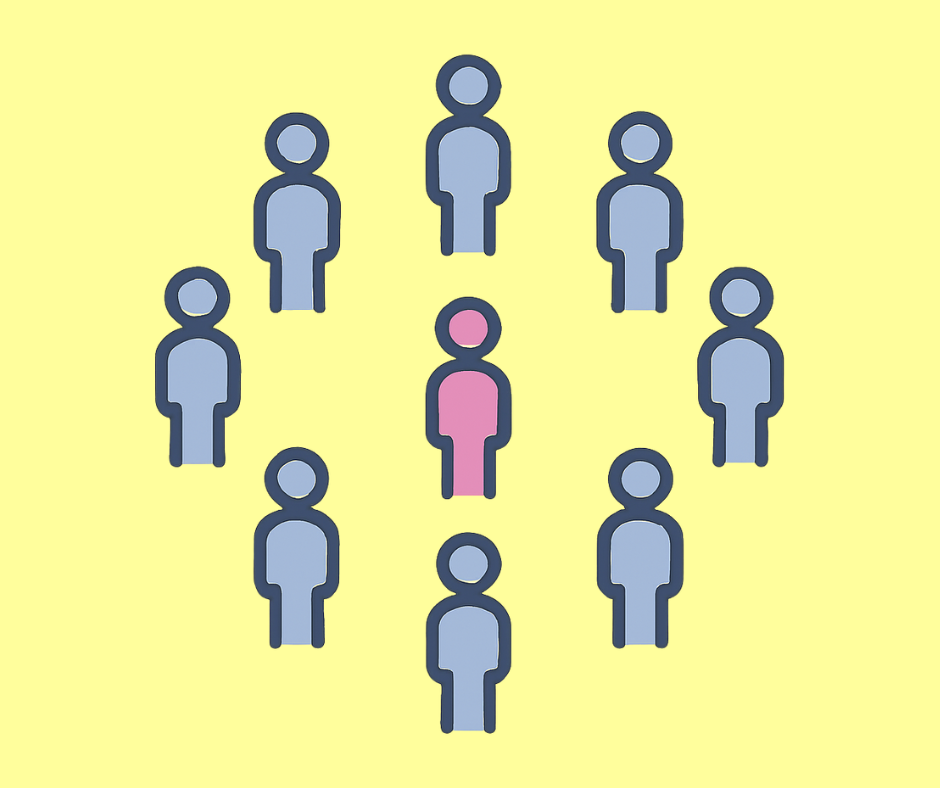
From as early as I can remember, I felt a bit out of step with the world. In school, I watched how easily other kids slipped into groups, made friends, and seemed to know the unspoken rules of fitting in. I tried — really, I did.
But friendships were never simple for me. One moment I’d be the “teacher’s pet,” praised for answering questions or being enthusiastic. The next moment I’d be “too much,” laughed at, left out, or quietly excluded from the group. It felt like I was constantly walking a tightrope — but no one had given me the balance stick.
When I tried to put words to how hard it was, I was often met with the same response: “Oh, everyone feels that way at school.”
Spoiler: they didn’t.
At least, not in the way I did.
Yes, lots of kids feel awkward at times, but not everyone goes home replaying conversations over and over, dissecting every word to figure out why they suddenly became “too much.” Not everyone questions, daily, what version of themselves they’re supposed to be. And not everyone feels like they’re performing all the time just to keep a fragile connection intact.
Grief That Felt Out of Step
When my grandad died while I was still young, those differences became even harder to ignore. I loved him deeply, and losing him should have been one of those moments where everyone’s grief felt the same. But it didn’t.
People around me cried openly, expressed their sadness in the “expected” ways. I remember being told how I should be feeling, or how I should show that feeling. But my brain didn’t process grief in that way.
Inside, I was hurting — but it looked different from the outside. And because it didn’t look how others thought it should, it felt like my grief wasn’t valid. Once again, I was “different.”
I didn’t have the words back then, but now I can look back and see that my brain was wired differently. That difference in processing emotions and experiences was already shaping how I lived in the world, even before I understood it.
Being Misunderstood
That theme — of being misunderstood — ran through so much of my childhood and teenage years. I was “lazy” when I couldn’t get organised. I was “dramatic” when I melted down after holding it together too long. I was “weird” when I took things literally or missed social cues.
Every label people threw at me felt like proof that I was somehow defective. And because adults often brushed it off with, “Oh, everyone feels that way sometimes,” I learned not to trust my own reality.
Looking back, I can see how damaging that dismissal was. Because no — not everyone feels that way. Not everyone feels broken by the tiniest change in routine. Not everyone hides the real parts of themselves because the risk of rejection feels too heavy. And not everyone walks through childhood with an invisible weight on their shoulders, trying to decode a world that never quite makes sense.
The Push and Pull of an AuDHD Brain
It wasn’t until much later — as an adult — that I came across the word that finally made sense of all those scattered experiences: AuDHD.
Autism and ADHD, not just side by side, but tangled together in the same brain. It explained the contradictions I had lived with all my life:
The drive to learn everything deeply vs. the struggle to focus on “simple” tasks. The longing for connection vs. the exhaustion after a single social interaction. The bursts of energy and ideas vs. the crashes of burnout that followed.
It’s like pressing the accelerator and the brake at the same time. No wonder I always felt tired, scattered, and misunderstood.
Understanding my brain through the lens of AuDHD didn’t erase the difficulties, but it gave them context. It replaced those harsh labels — “lazy,” “too much,” “weird” — with a clearer truth: my brain simply works differently.
Mondays (and the Weight of Expectations)
Fast forward to today, and I still carry those echoes with me. Mondays especially tend to bring it all back. There’s this cultural story that a new week = a fresh start. And while that sounds hopeful, for many of us it feels like pressure.
The to-do lists. The appointments to remember. The expectation to show up with full energy, ready to “be productive.”
But what if your brain doesn’t work that way? What if memory gaps, executive dysfunction, and energy crashes are part of your daily life? Then Mondays aren’t a fresh start. They’re another reminder of the uphill climb.
You’re Not Alone
If you’re reading this and nodding along, here’s what I want you to take with you into this week:
✨ You don’t have to mask just to get through.
✨ Asking for accommodations — even small ones, like “Can you text me so I don’t forget?” — isn’t weakness, it’s honesty.
✨ Your experiences are valid, even if others dismissed them in the past.
✨ You’re not broken — your brain simply works differently.
Closing Thought
When I was younger, I believed everyone felt like I did — because that’s what I was told. But the truth is, not everyone did. Some of us really were different. Some of us really did carry invisible struggles that others didn’t understand.
Now I know: that difference doesn’t make me less. And if you’ve felt this way too, it doesn’t make you less either.
This week, I’ll be reminding myself of that. And I hope you will too.
With care,
Jess 🌿
That AuDHD Mum
