The Truth about ADHD hiding Autism (and Vice Versa)
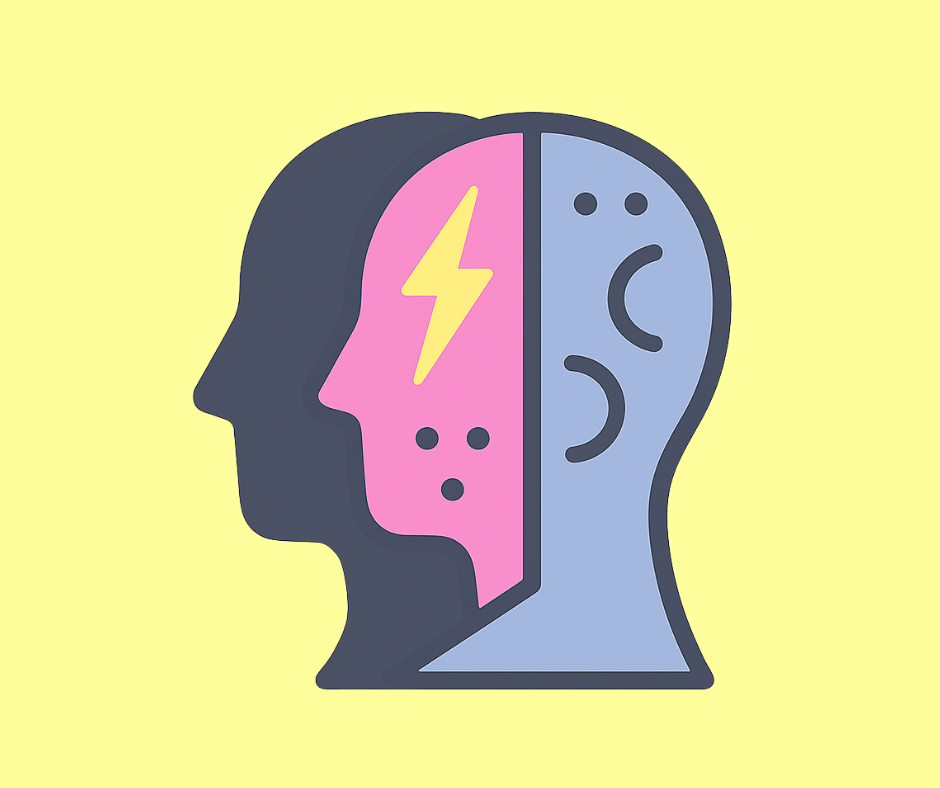
When people think of ADHD and autism, they often imagine two very different pictures. ADHD is “hyper, talkative, distractible.” Autism is “quiet, rigid, socially awkward.” But what happens when you’re both?
Sometimes the traits of ADHD and autism overlap so much that one masks the other. People assume you can’t possibly be autistic if you’re chatty, or you can’t be ADHD if you follow rules religiously. The reality? Both can be true at the same time — and that overlap is exactly why so many of us go misunderstood for years.
👉 The Truth About ADHD Hiding Autism
How ADHD Can Hide Autism
When professionals or even friends look at us, they often latch onto the most visible trait. If the ADHD side is louder, autism stays hidden. Here’s how that can play out:
“They’re the life of the party — they can’t be autistic.” ADHD’s impulsivity and social energy can make you seem outgoing, masking autistic struggles like social confusion or exhaustion after interactions. “They don’t look rigid at all — they’re so flexible.” ADHD forgetfulness and chaos can cover up the autistic need for routine. From the outside, people see “go with the flow,” when in reality you’re internally panicking at every change. “They’re just distracted, not shutting down.” An autistic shutdown — going quiet, zoning out, unable to respond — can be mistaken for ADHD distraction. “They’re quirky, not autistic.” Hyperfocus on a special interest might look like ADHD passion, instead of an autistic restricted interest. “They’re not struggling socially, they have so many friends.” What people don’t see is the masking: copying, overcompensating, laughing at the right times. ADHD’s chatty side hides the autistic exhaustion that follows.
How Autism Can Hide ADHD
It also works the other way around. Sometimes the autistic side is stronger, and ADHD traits get dismissed.
“They’re not disruptive, they’re so well-behaved.” Autistic rule-following or perfectionism can completely cover up ADHD impulsivity. Teachers might see a quiet, compliant child instead of one who’s struggling internally. “They’re shy, not inattentive.” An autistic child zoning out might be written off as “quiet” or “anxious,” while the ADHD inattention underneath is missed. “They’re structured and organised — definitely not ADHD.” Autistic rigidity or love of routine can mask ADHD’s executive dysfunction. You might seem “on top of things,” but really it’s an exhausting coping strategy. “They’re not hyperactive, they sit so still.” Autistic sensory regulation or social masking can suppress ADHD’s need to move, fidget, or blurt things out.
My Own Experience of This Overlap
When I was diagnosed with ADHD, I already knew autism was probably part of the picture — I’d been on the autism pathway for over a year. But even then, I could see how easy it would have been for professionals to stop at ADHD.
Why? Because my ADHD traits often disguised the autistic ones.
People saw my chatty, energetic side and assumed I was confident socially. They didn’t see the autistic crash afterwards. They saw my impulsivity and thought I was flexible, spontaneous. They didn’t see the panic when my routines were disrupted. They saw hyperfocus as ADHD productivity, not autistic special interests.
If I hadn’t pushed for both assessments, my autism could easily have stayed hidden behind the ADHD.
Why This Matters
When ADHD hides autism (or autism hides ADHD), it doesn’t just confuse professionals — it affects us, too. We can end up:
Missing out on the right support and accommodations. Blaming ourselves for struggles that don’t “fit” ADHD or autism alone. Feeling like we’re never the “right kind” of either diagnosis.
But recognising that the two can mask each other is powerful. It means we stop blaming ourselves and start seeing the bigger picture: we’re not broken, we’re just wired differently.
Tools That Can Help Untangle the Overlap
Understanding yourself when traits clash isn’t easy. But a few tools can make it clearer:
Free Diagnosis Roadmap → shows exactly how to advocate for both ADHD and autism in the UK system. Symptom Trackers → helps you spot when something is ADHD vs autism (e.g. distraction vs shutdown, flexibility vs rigidity). Unmasking 7 day guidebook → shows how double-masking drains energy, even if you “look fine” on the surface. Each week, I share more personal insights and lived examples of what it means to be AuDHD that don’t fit into a blog post or video.
Moving Forward
If you’ve ever thought, “I can’t be autistic because I’m social,” or “I can’t be ADHD because I follow rules,” — I hope this blog shows you how false those assumptions are. You can be both. The conditions don’t cancel each other out. In fact, they often cover each other up.
Understanding that overlap has been one of the most important parts of my late diagnosis journey. It’s helped me stop doubting myself, stop blaming myself, and start advocating for what I actually need.
Conclusion
ADHD and autism aren’t opposites — they’re intertwined. Sometimes ADHD traits hide autism. Sometimes autism hides ADHD. And often, the people around us only see one half of the picture.
But once you know this, you can see yourself more clearly. You can stop chasing labels that don’t fit neatly, and start embracing the whole of who you are.
👉